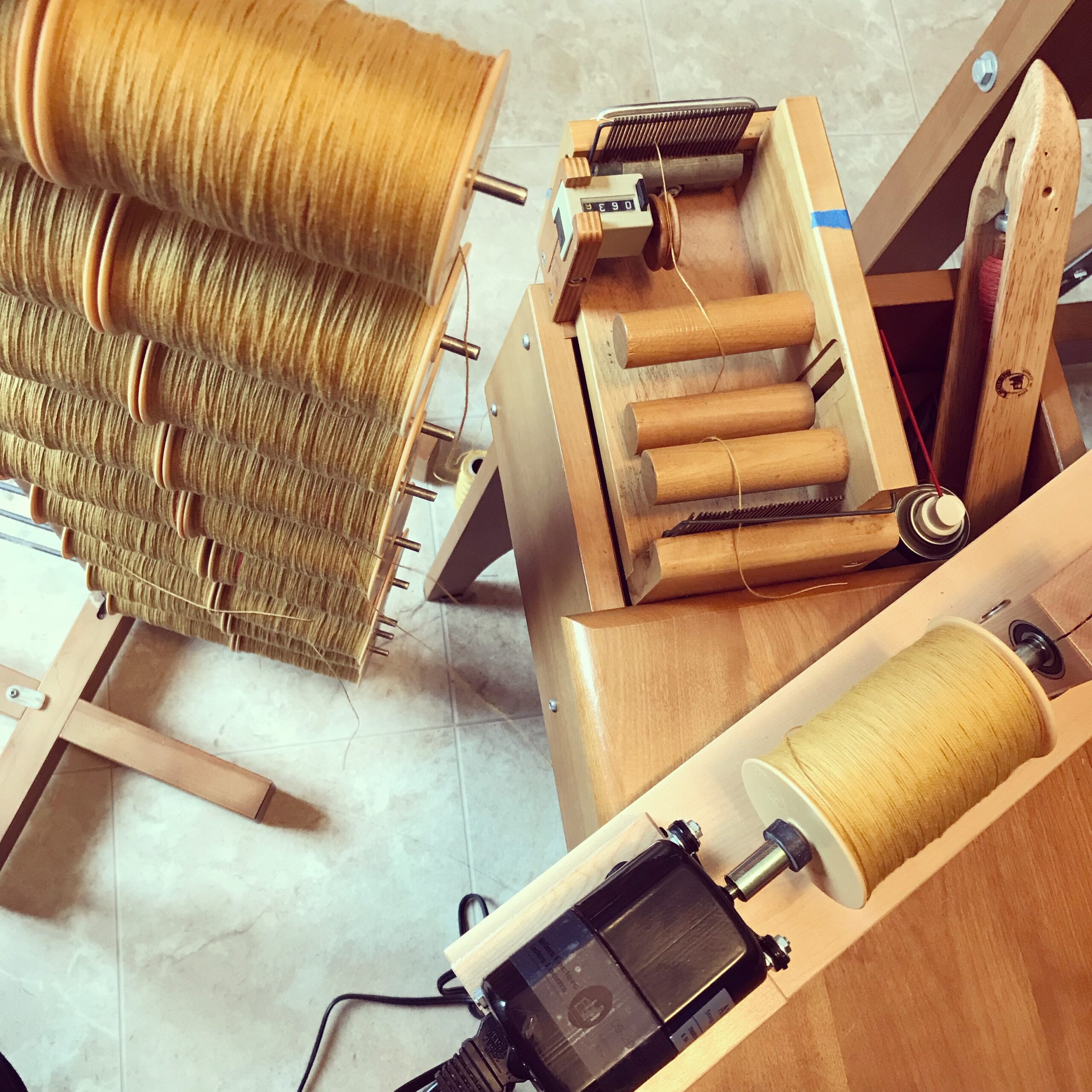
Looms count as old “technology” that people have reinvented and reimagined, but at their core, they have changed very little over a very long time. A basic loom (not even talking about tapestry looms here — those are simpler still) still uses the same essential parts it did hundreds of years ago. New manufacturing techniques have improved things over time, and companies have innovated with materials like Texsolv heddles instead of heavy metal ones. New looms run quieter, look prettier, and can handle very complex structures. Still, for some reason, they don’t win me over in the same way an old loom does.
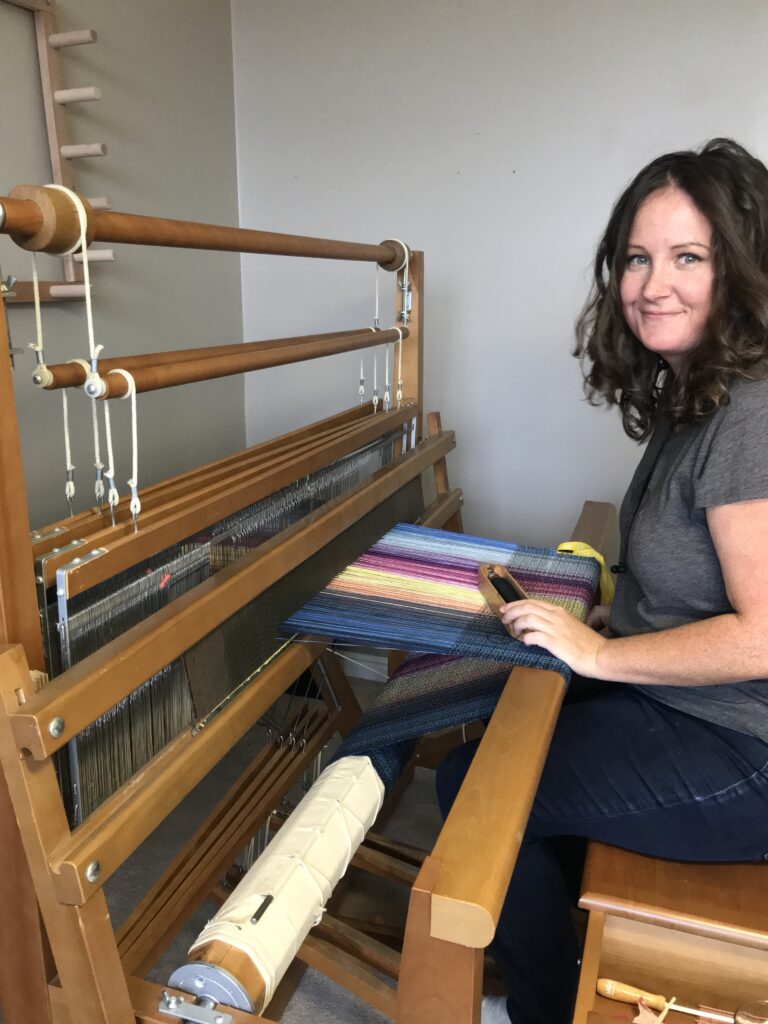
Some context helps here. I live in Canada, where access to many loom manufacturers remains limited. We’re fortunate to have Leclerc, a Quebec-based company with roots going back to the late 19th century. The company began by producing textile goods and gradually shifted toward manufacturing handweaving looms in the mid-20th century. Because Leclerc looms have existed for so long, you can often find them at very reasonable prices on Kijiji, Facebook Marketplace, and similar sites. That’s exactly how I found my 45-inch floor loom. These looms feel strong and steady, and parts remain easy to find, even for very old models.
Depending on where you live in Canada, you may also find suppliers who can order brands like Ashford, Louet, or Saori. Most of the time, though, you have to make a decision based on online research rather than hands-on experience. Few showrooms or studios carry multiple looms you can actually test.
That makes it incredibly difficult to commit several thousand dollars to a loom you’ve never tried.
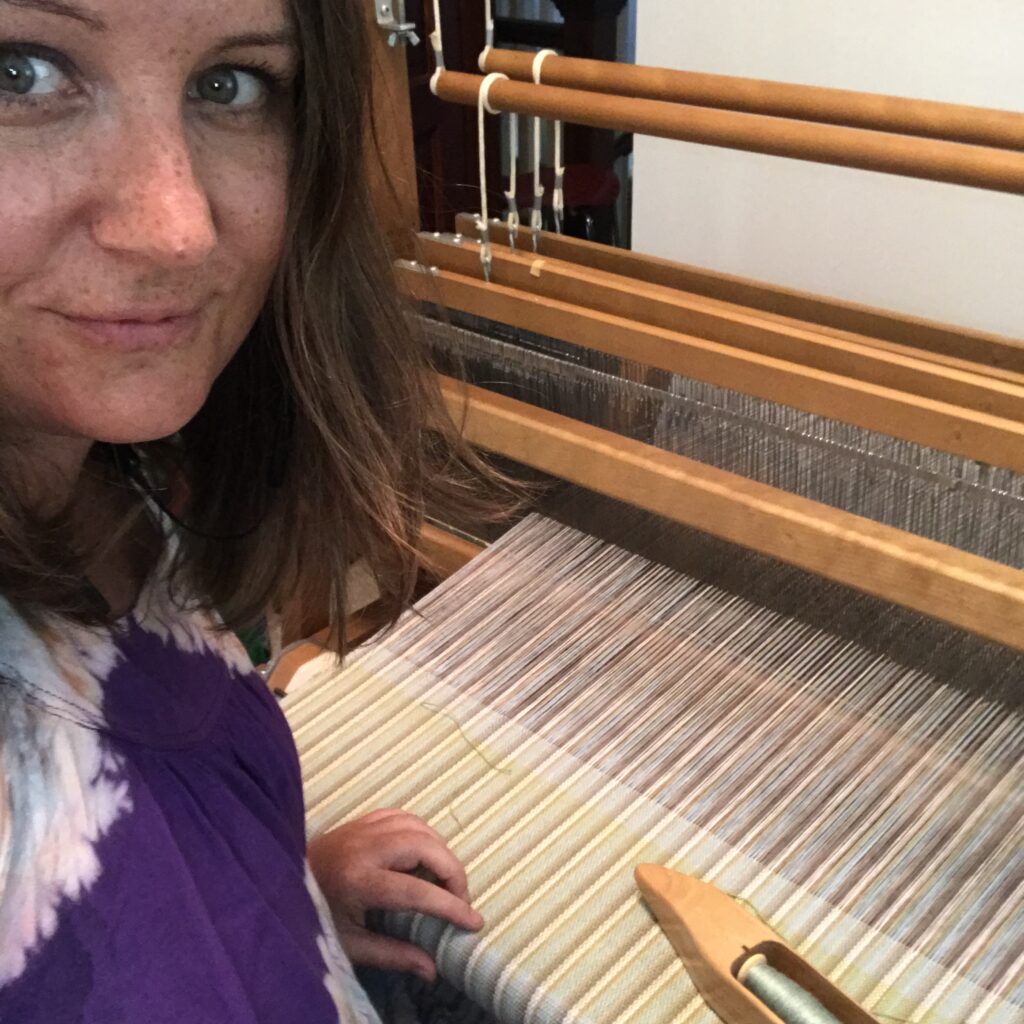
In my own weaving journey, I had the good fortune to take a class with a local weaver who also distributed Louet looms. My first floor loom was a Louet Jane. It had eight shafts and allowed for complex weaving, but I struggled with warp tension, and switching the shaft levers felt slow and awkward. Even so, it wove smoothly, took up very little space, and felt lovely to sit at.
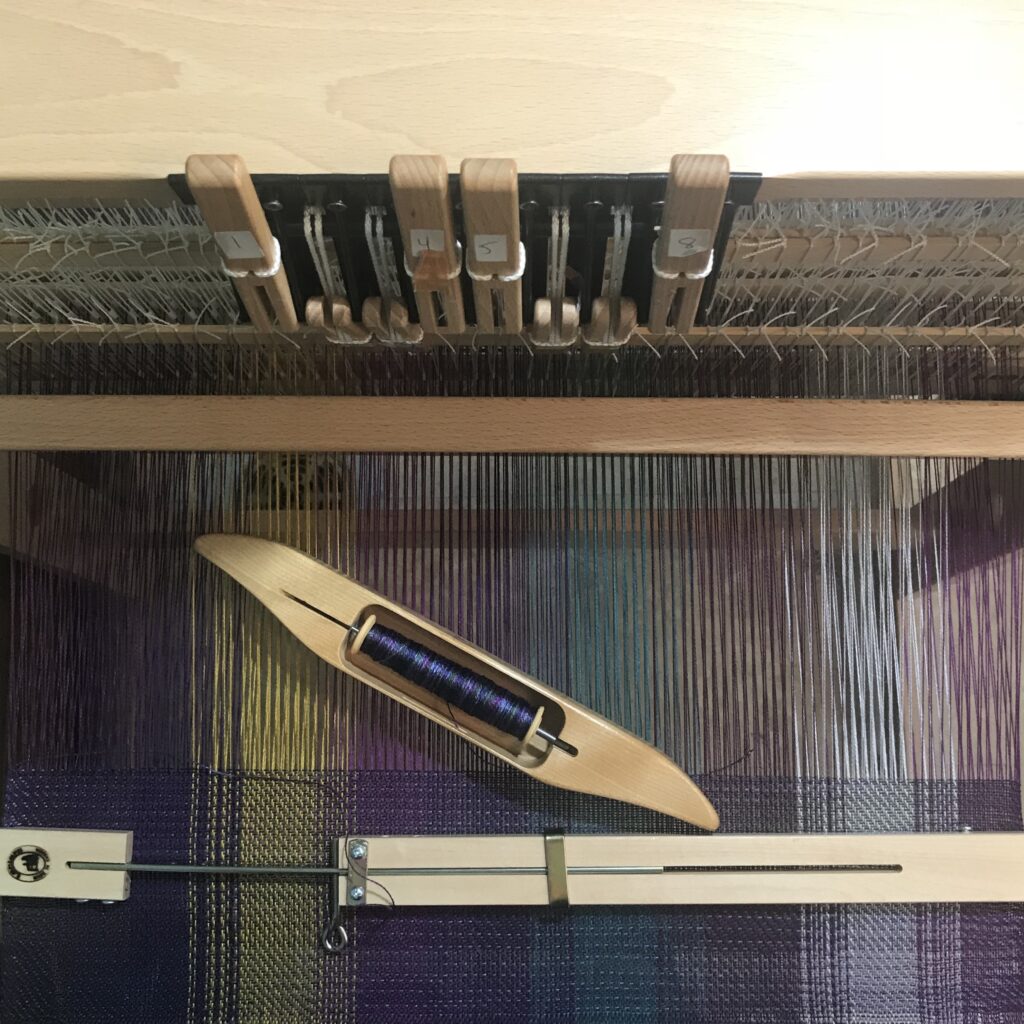
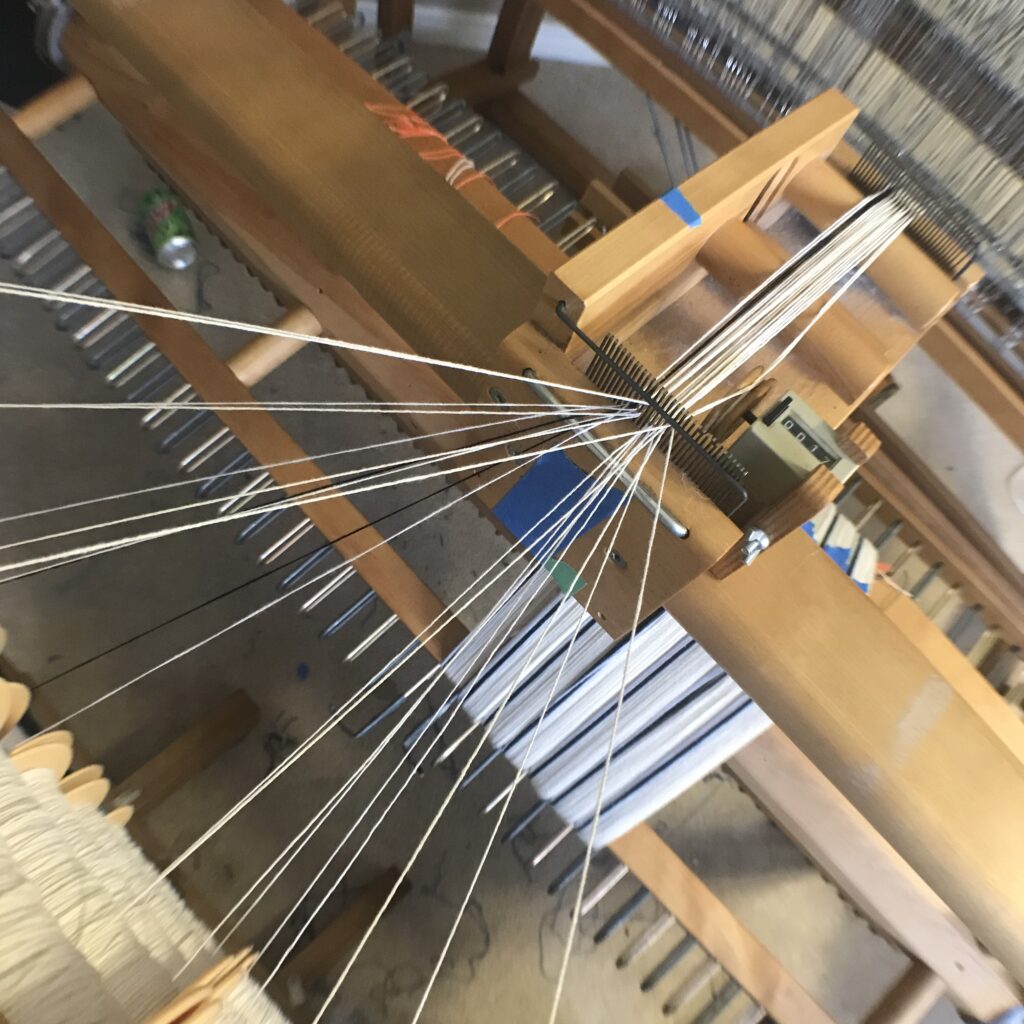
Later, I came across a Kijiji listing for a used Leclerc loom priced at $400. It turned out a nearby weavers’ guild was clearing out some older member looms. At that price, I decided to take the chance, and thankfully it arrived in great condition. Previous owners had taped small notes directly onto the loom — yarn size samples and quiet reminders of how they worked. Those details felt like traces of hands that had shaped cloth long before mine.
I didn’t know how to assemble it at first, but because Leclerc looms haven’t changed much over time, I found an old manual online along with a few YouTube videos that helped me figure things out.
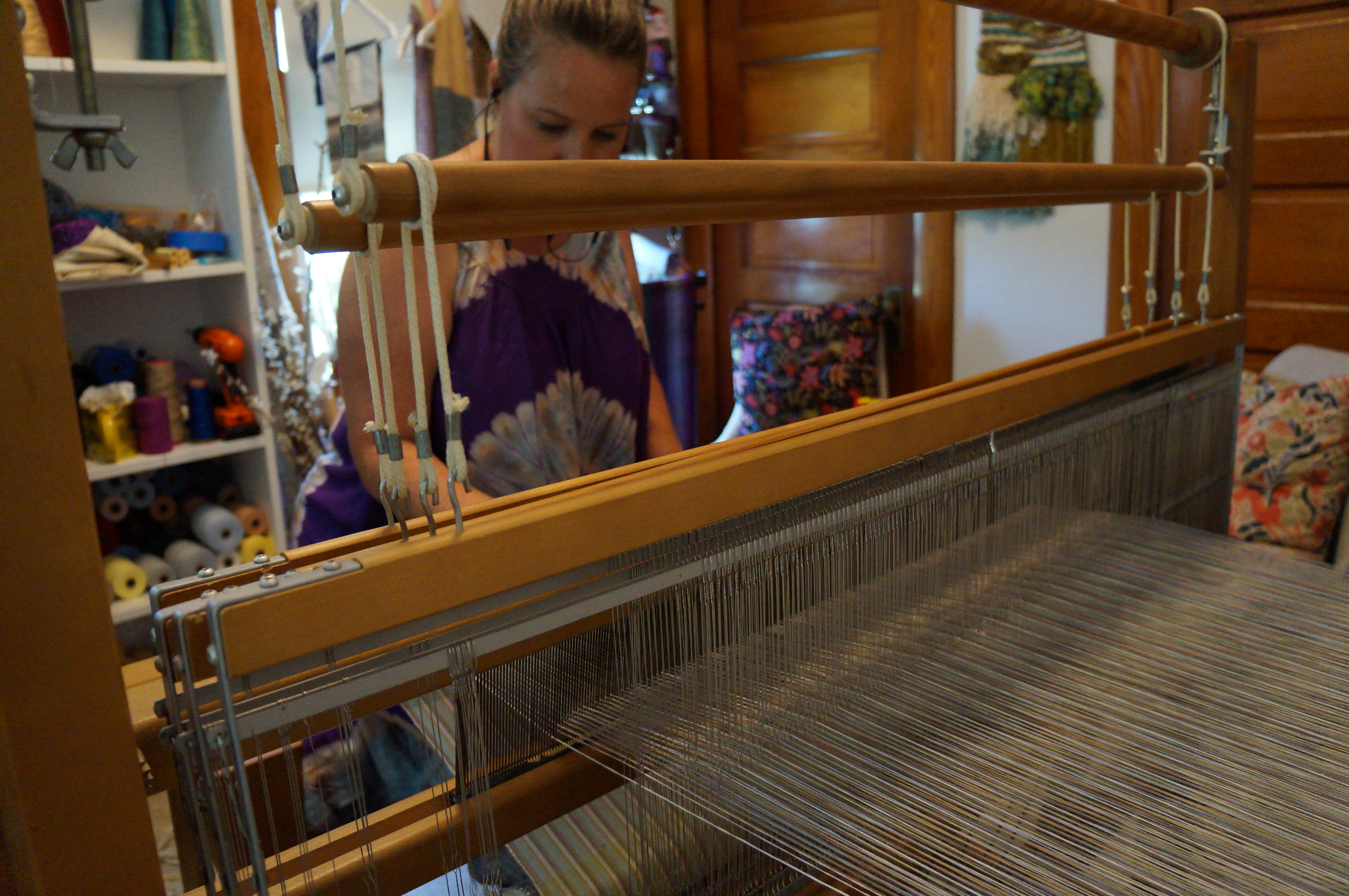
I suspect the loom dates back to the 1960s, and it still weaves beautifully. Older looms were built for production. They hold warp tension well, feel sturdy under your feet, and don’t flex or drift. I suddenly found myself weaving faster and with more precision — and I fell completely in love with foot treadles. Eventually, I sold my Louet Jane, and the Leclerc became my primary loom.
The newer loom had its perks. It was portable, beautiful, Instagram-friendly, came with a clear manual, offered many add-ons, and wove reliably.
The older loom changed how I weave. It forced me to understand the mechanics of the loom itself and gave me confidence to repair, adjust, and adapt as needed. That shift alone reshaped my relationship to the craft.
Over time, I realized the reasons I kept returning to older looms weren’t sentimental. They were practical and deeply tied to how I want to work.
More affordable
There’s no way around it. New looms cost a lot and require a significant investment. Used looms cost far less, and even with repairs or replacement parts, they usually remain much cheaper than buying new.
Easier to find
Loom weaving isn’t a mainstream craft. I’ve spoken with many people dealing with estates or helping loved ones move, only to discover a loom sitting unused in a basement. Often, people just want it gone because it’s large and heavy. They may not know whether it works or whether all the parts remain intact. Buying used means committing to some problem-solving, but that still feels easier than waiting 18 months for a new loom to arrive.
Easier to fix or replace parts
Older looms often rely on straightforward construction and materials you can source locally. When you order a new loom from another country, replacement parts and shipping delays should be considered if something goes wrong.
Sturdy, timeless construction
The pressures of modern manufacturing show themselves when you compare older looms and spinning wheels to newer ones. Older looms often use solid wood, reinforced joints, and durable metal components built to last.
Carries the history of past weavers
This won’t matter to everyone, but it matters to me. I love feeling the history of something I am working with. It infuses my work and connects me to the long history of this craft. Knowing someone took care of this and used it long before me makes me want to take care of it and pass it along one day as well.
Better problem-solving skills
Working with used equipment means you won’t always have instructions. You’ll get your hands dirty. You’ll research parts and understand why they matter. That process builds knowledge you’ll carry forward and helps clarify what you do and don’t want in a loom.
Often comes with extras
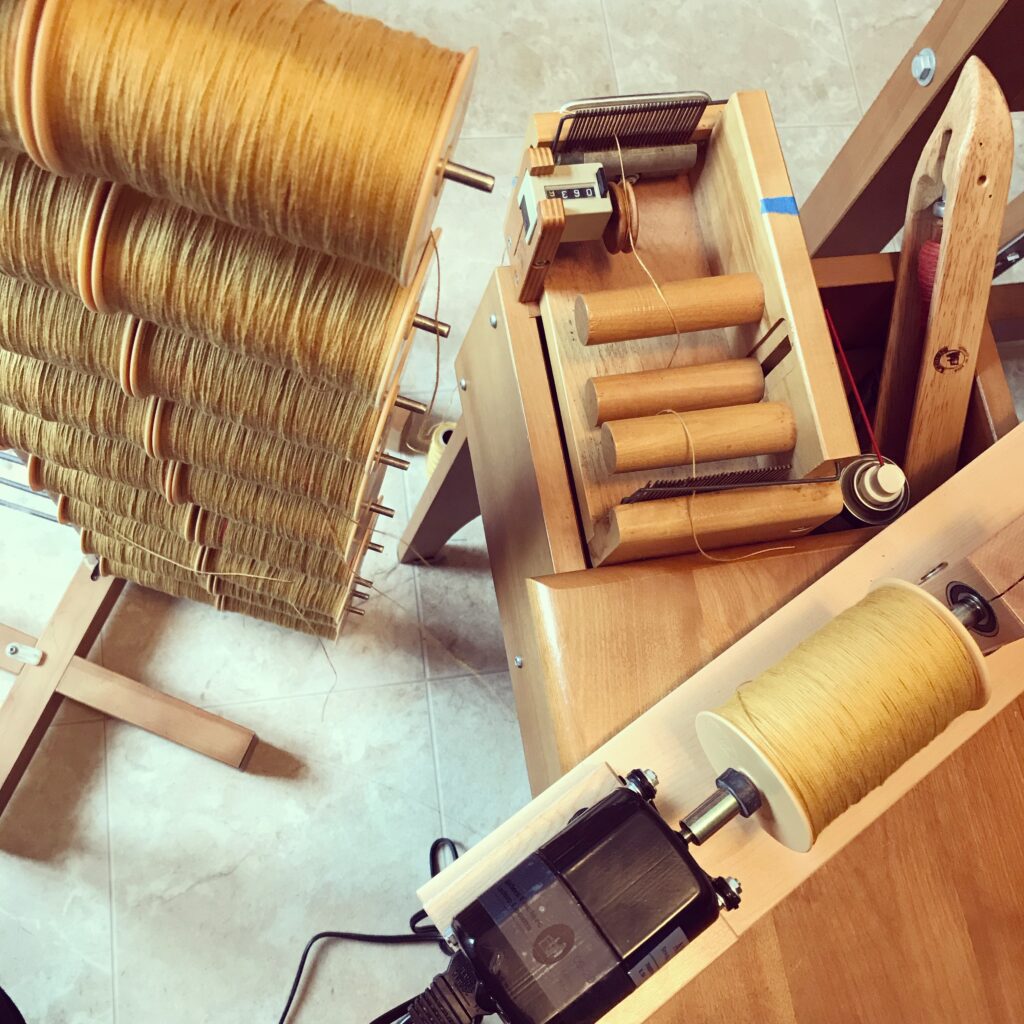
Buying a used loom often means buying a bundle. Extra heddles, lease sticks, apron bars, shuttles, or bobbin winders frequently come along. New looms usually arrive as a basic package, with extras added later at additional cost.
Someone else has already solved problems
Your loom carries the quiet wisdom of previous weavers. If something sticks or behaves oddly, chances are someone figured out a solution long before you did.
Builds weaving community
There are only so many handweavers out there. Buying a used loom often leads to conversations, stories, guild connections, or unexpected community ties.
Keeps looms alive
Perfectly usable looms likely end up in landfills simply because someone doesn’t know what to do with them. It pains me to think that something that works perfectly well but is old (and maybe big and heavy) won’t have any usefulness while people are struggling to wait for months to order a new one.
I don’t expect every second-hand loom to arrive perfect or problem-free. Still, if you’re trying to decide where to start, I recommend beginning with a used loom. It doesn’t just save money — it teaches you how to weave.